Artful Learning
Art has the power to illuminate, inspire, and challenge.
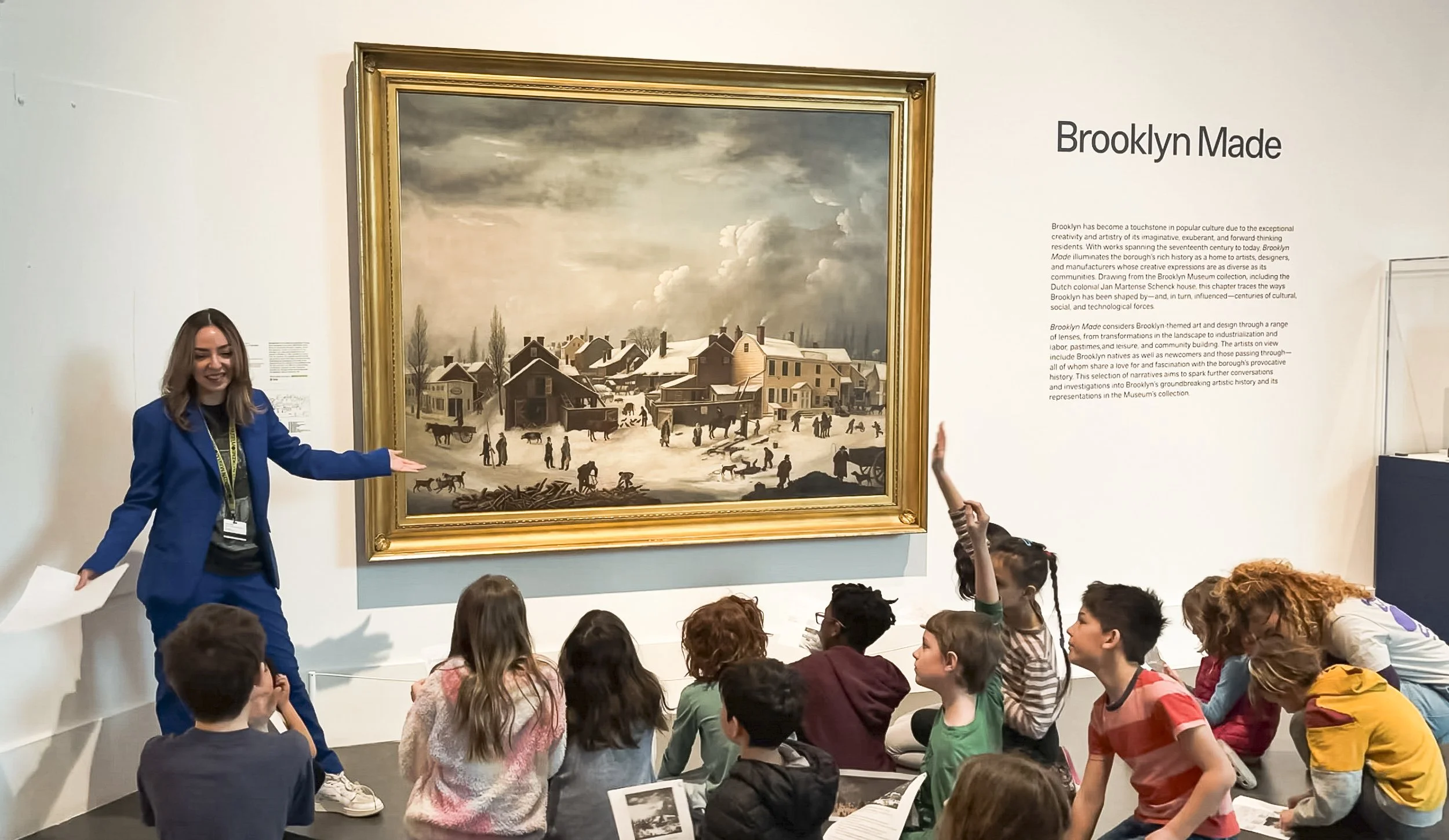
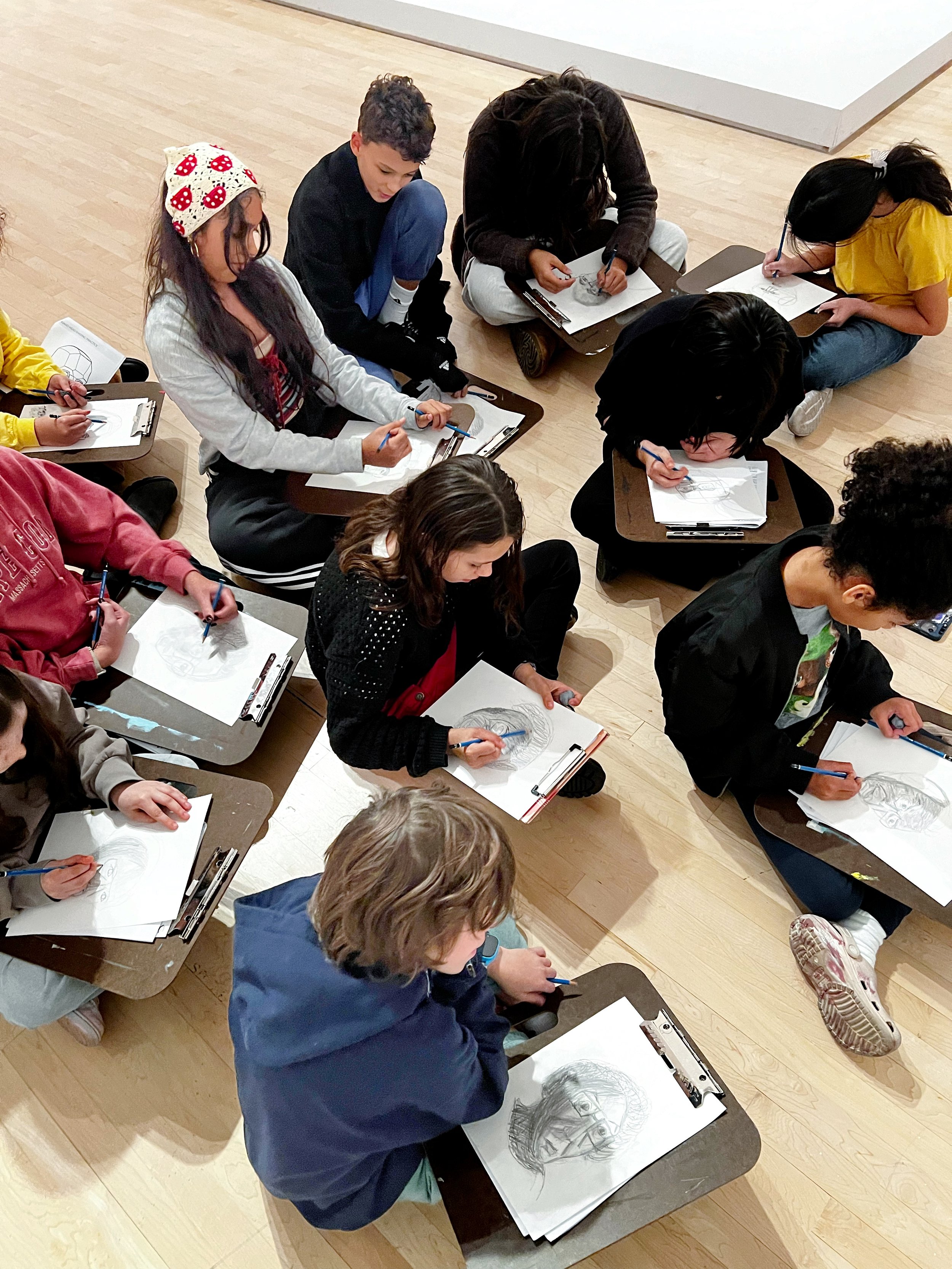
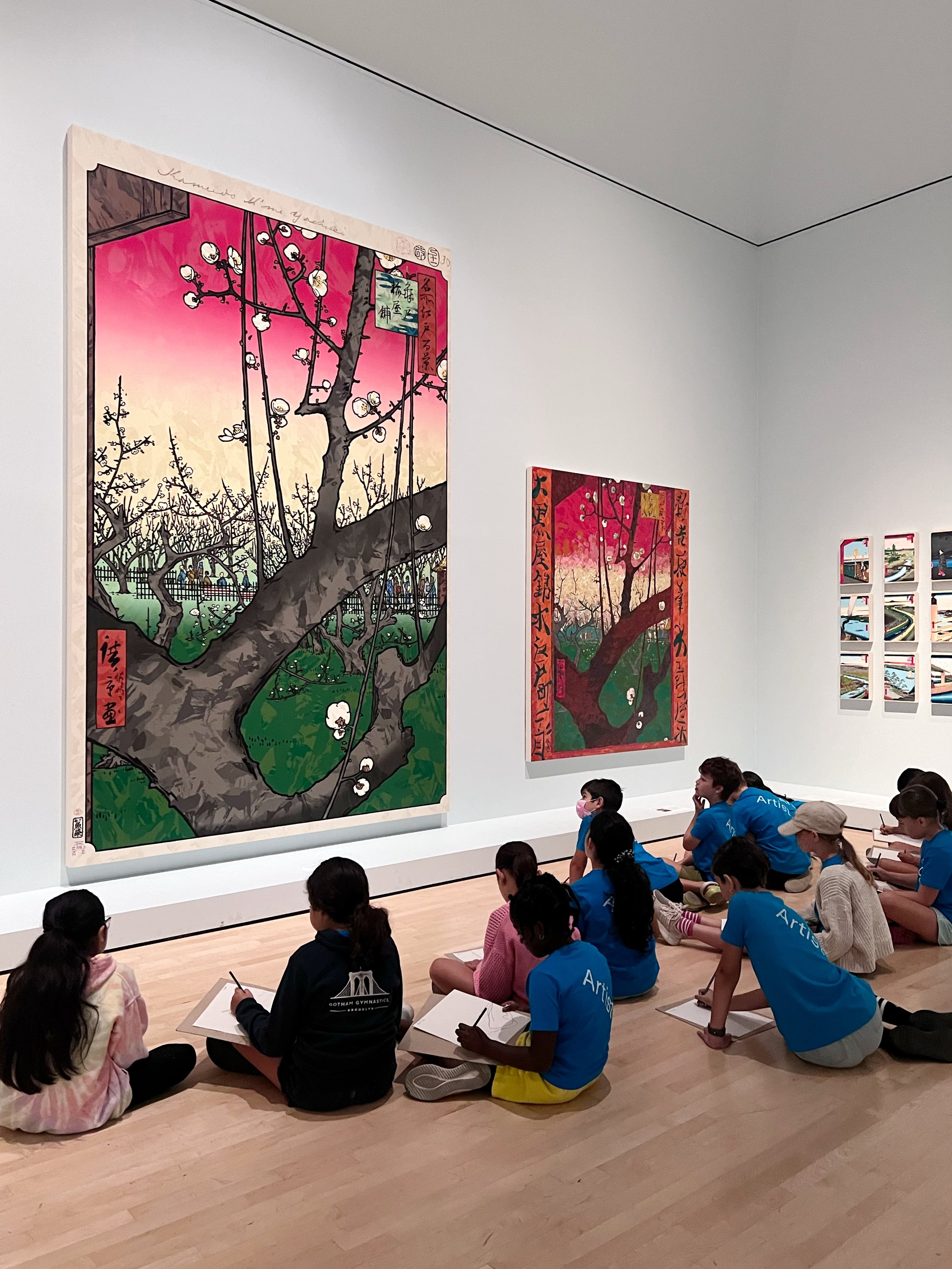
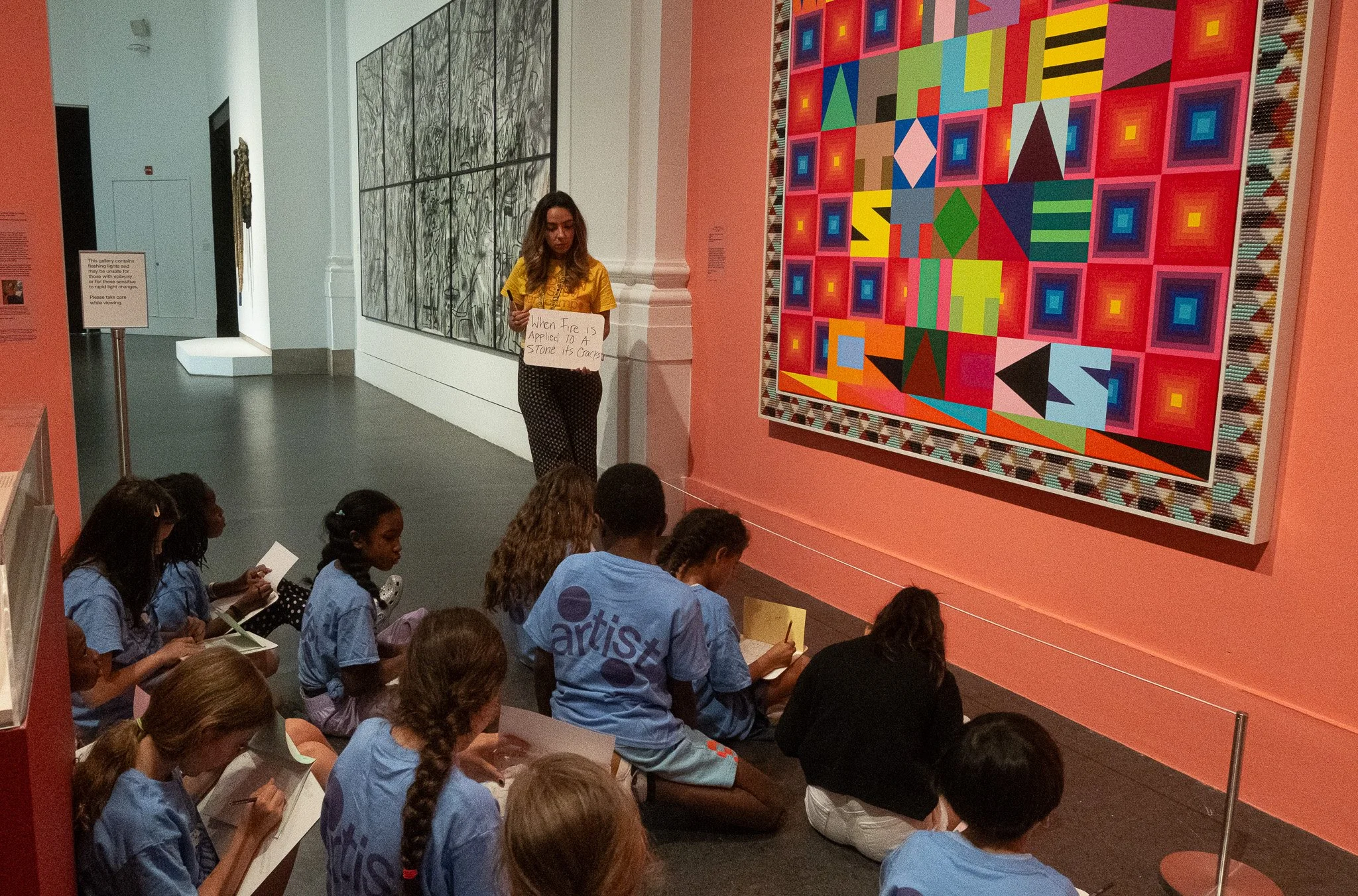
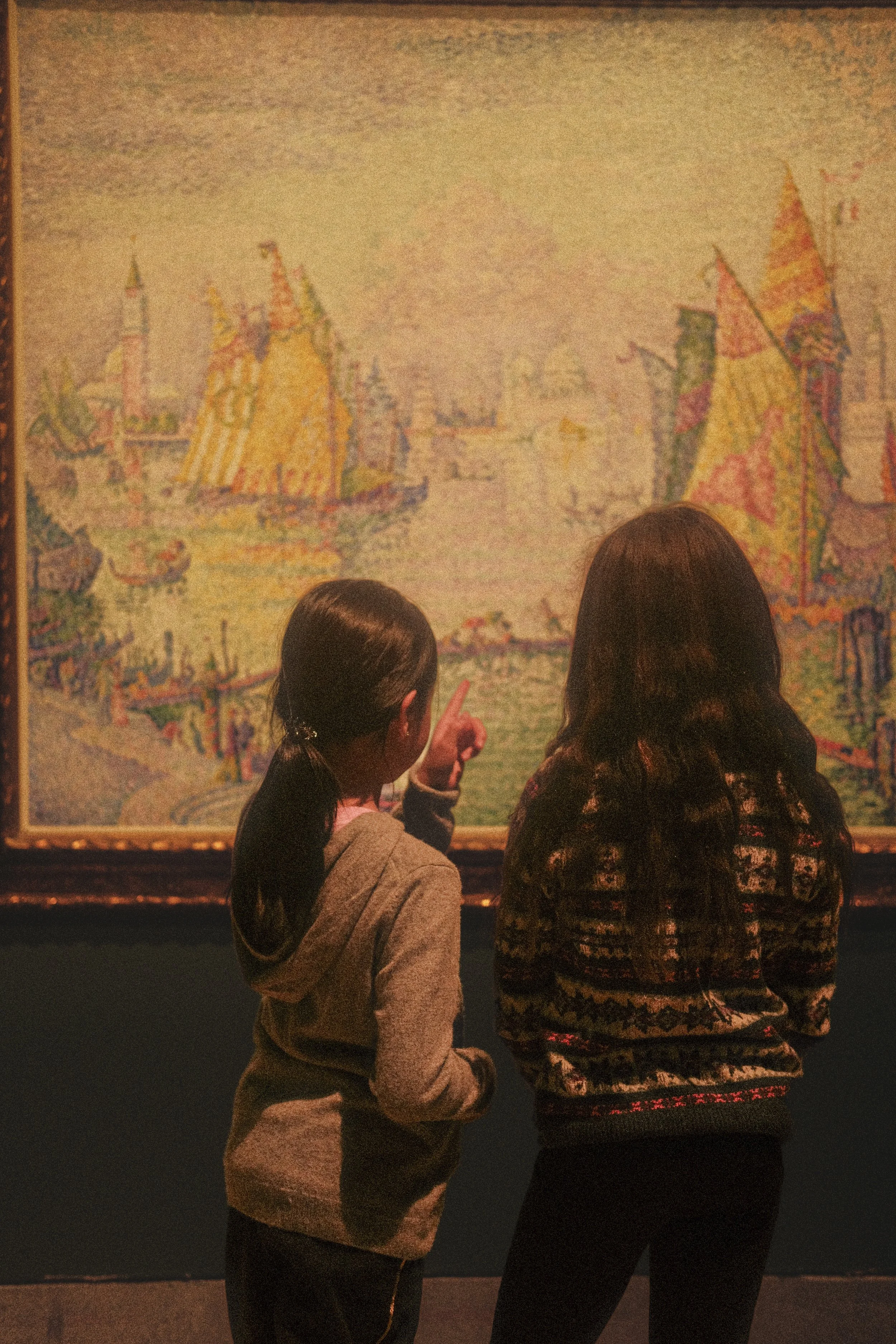
Artful Learning approaches visual art as a way of thinking and a way of waking up to the world, not only a set of skills to be learned. Through close observation, art history, inquiry-based discussion, and hands-on studio practice, students learn to look slowly, question what they see, and make meaning from it. Grounded in the psychology of perception and learning, it treats looking and making as forms of understanding in their own right.
Artful Learning is the practice at the heart of every Learning with Lado class, not a curriculum purchased or a method borrowed, but an approach Ileana Lado has built across nearly a decade of teaching, in Bronx and Harlem schools and now in the studios and galleries of the Brooklyn Museum.
It owes a debt to the thinkers and educators who shaped her: Paulo Freire, bell hooks, Gloria Ladson-Billings, Geneva Gay, Maxine Greene, and John Dewey among them. John Dewey, the philosopher and psychologist helped give progressive education its shape, understood art not as a precious object set apart from life but as a form of lived experience, and learning as something we do rather than something done to us. Greene's idea of wide-awakeness is one she returns to often: that engaging deeply with art wakes us up to the world, and builds the capacity to imagine things as they could be.
But Artful Learning is grounded in more than theory. Ileana Lado came to teaching from psychology and social work, fields concerned with how people think, learn, and grow, and with meeting each person where they actually are. That grounding runs underneath everything she plans. For years she has written standards-aligned curriculum and built instruction on the science of how learning actually happens: scaffolding lessons so each step builds on the last, and differentiating so that every learner is genuinely met. She has worked with diverse groups of learners, neurodivergent and general education, from first graders to working adults, and has learned to honor the real differences among them.
As a clinical instructor for graduate students at Hunter College, she mentored new teachers in these very practices. That foundation is what makes Artful Learning work: every class, however open-ended, rests on a deep understanding of how people learn.
Refined across classrooms, community centers, and art institutions throughout the city, Artful Learning helps students work boldly, express themselves with confidence, and see creative practice as an active, liberating force. It rests on three pillars.
Culturally Responsive Teaching
Culturally responsive practice is the cornerstone of Artful Learning, built on a simple conviction: that art is one of our richest ways into the whole human inheritance. A class becomes a chance to step inside traditions far from one's own, the wall paintings of ancient Egypt, the woodblock prints of Edo-period Japan, the abstract canvases a Swedish painter made years before the men long credited with inventing abstraction, and to set them beside the work being made in New York City studios right now. Seen through both a historical and a contemporary lens, art reveals how distant cultures speak to one another and to the present. Students learn to ask of every gallery whose stories are visible and whose are missing, and they find their own identities, histories, and experiences reflected in the work, so that empathy, cultural awareness, and belonging grow together.
Critical Inquiry
This pillar treats art as a way of asking better questions. To look closely at a painting, or at the world it came from, is to wonder why things are the way they are, how they came to be, and whether they might be otherwise. Rather than treating students as empty vessels to fill, Learning with Lado classes are built around inquiry, reflection, and dialogue. bell hooks called the classroom the most radical space of possibility, and that is the spirit here: a place where a person learns to voice an opinion, name a concern, and imagine what life could be, without fear. Through art-making, gallery looking, and conversation, learners gain the confidence to question dominant narratives and to picture change.
Creative Expression
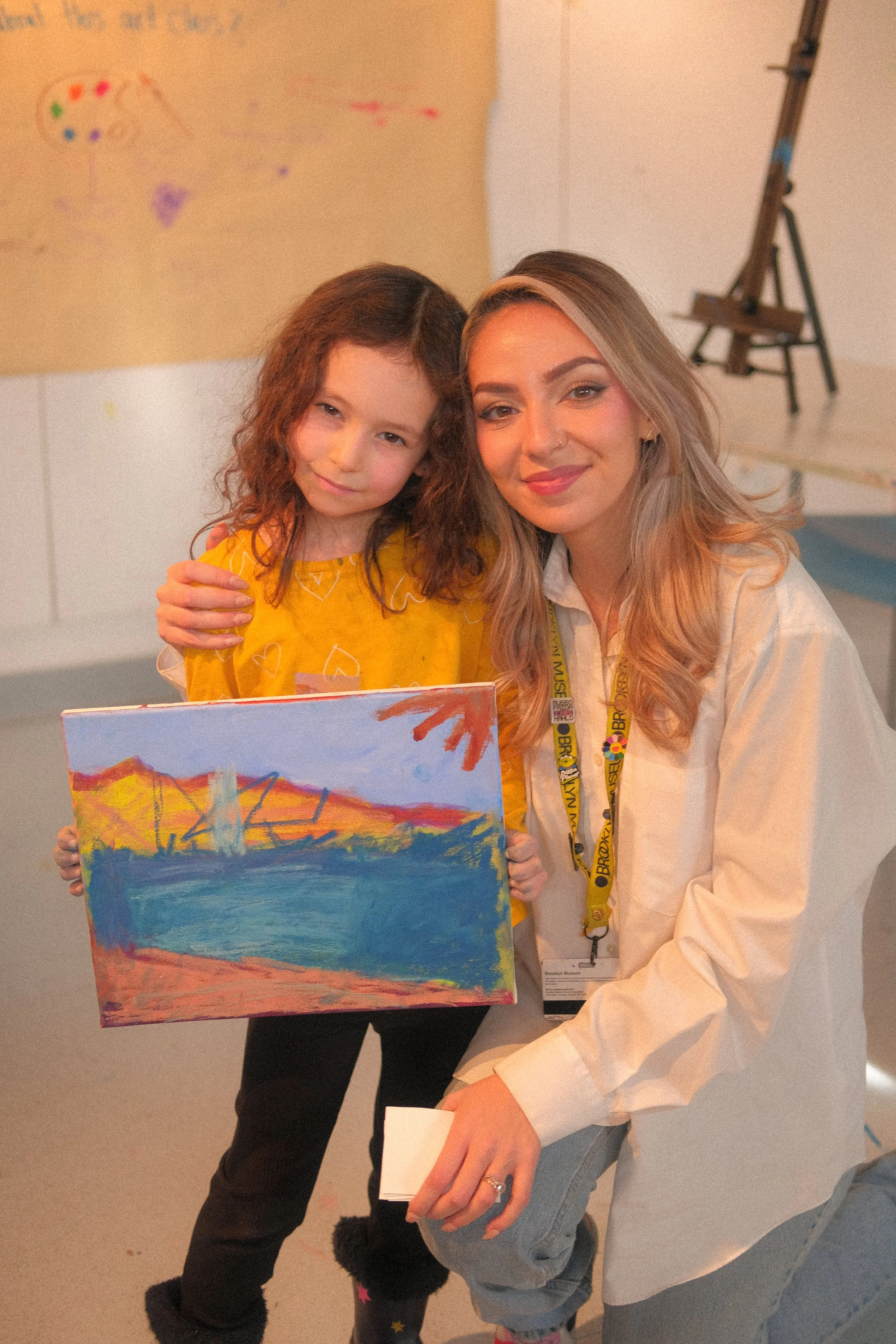
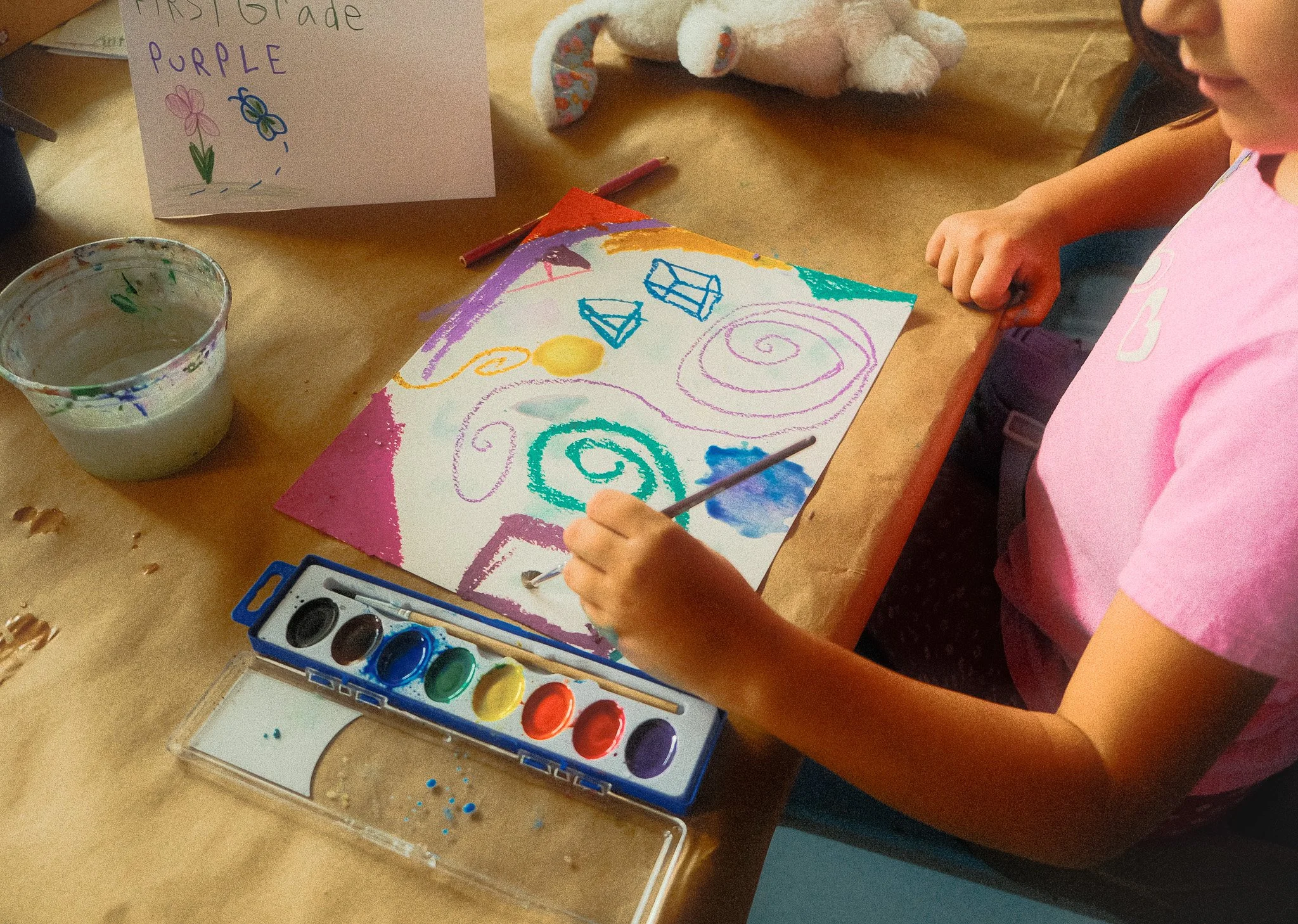
Creative expression begins from the fact that making is one of the most human things we do. Long before people wrote, they drew, carved, and painted, reaching for a way to hold experience and share it. To make art is to process what we feel, to understand ourselves a little better, and to connect: with one another, with the world, and with our own inner life. This pillar empowers students to express their identities, work through complex feelings and experiences, and amplify their voices, turning private reflection into something that can be seen and shared. In a studio, the act of making becomes a form of connection as much as a form of skill.
These three pillars never work in isolation. A single class might hold all three: a culturally responsive choice of subject, an exercise that asks for personal voice, and a closing dialogue that invites students to question what they first saw. It is an approach built slowly and carefully, in the city that taught it.
See Upcoming Classes →