Artful Learning
Art has the power to illuminate, inspire, and challenge.
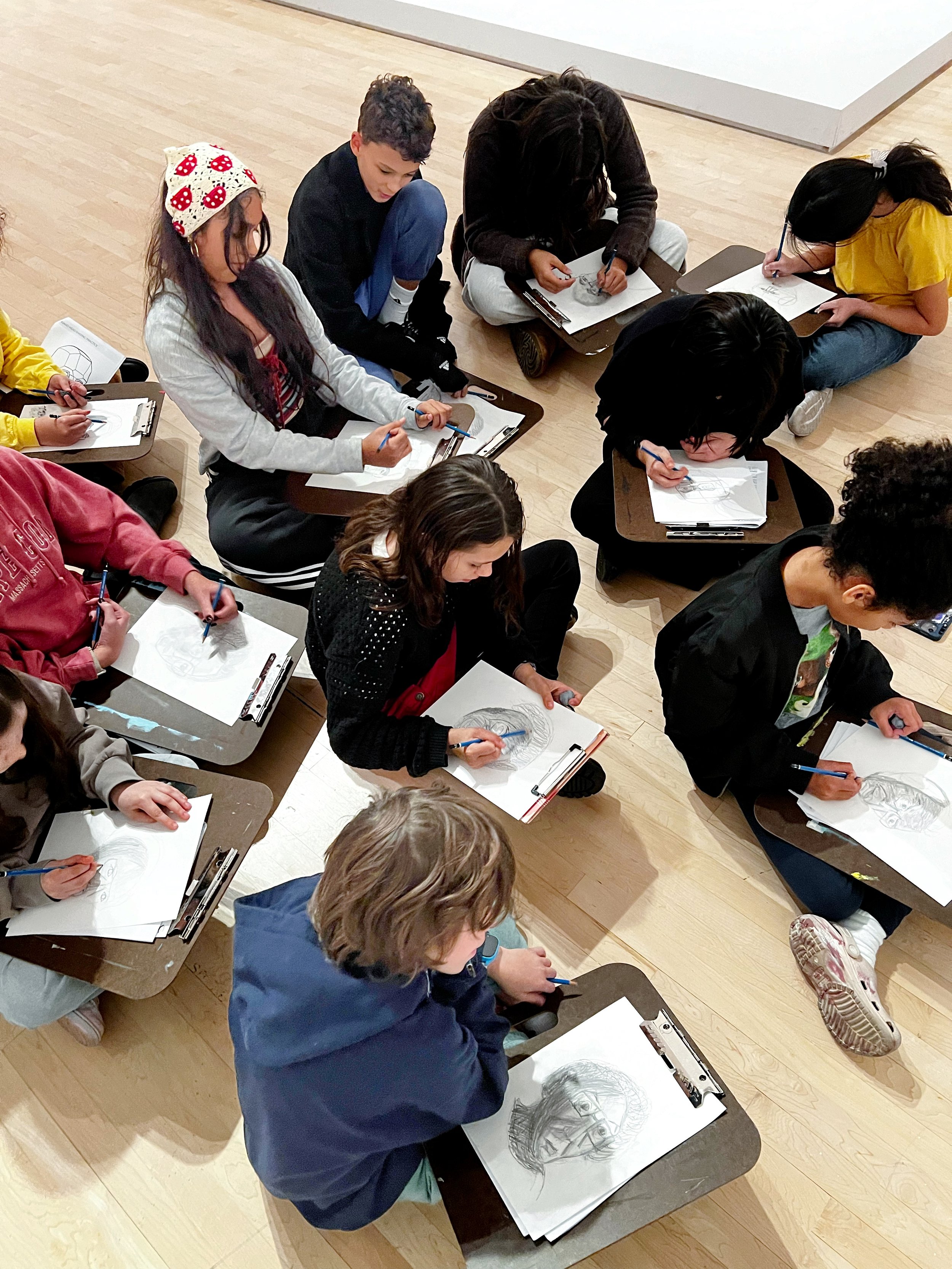
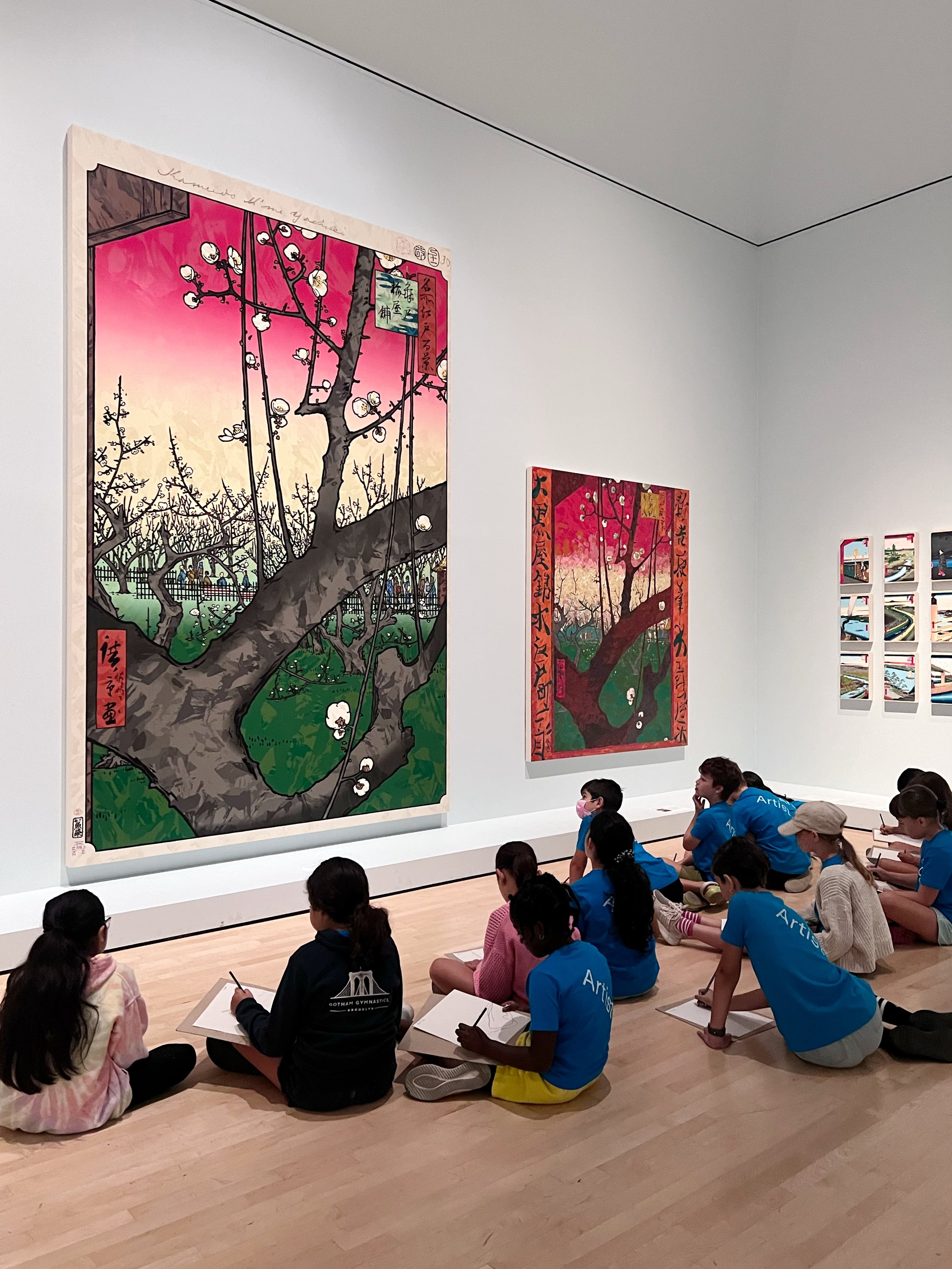
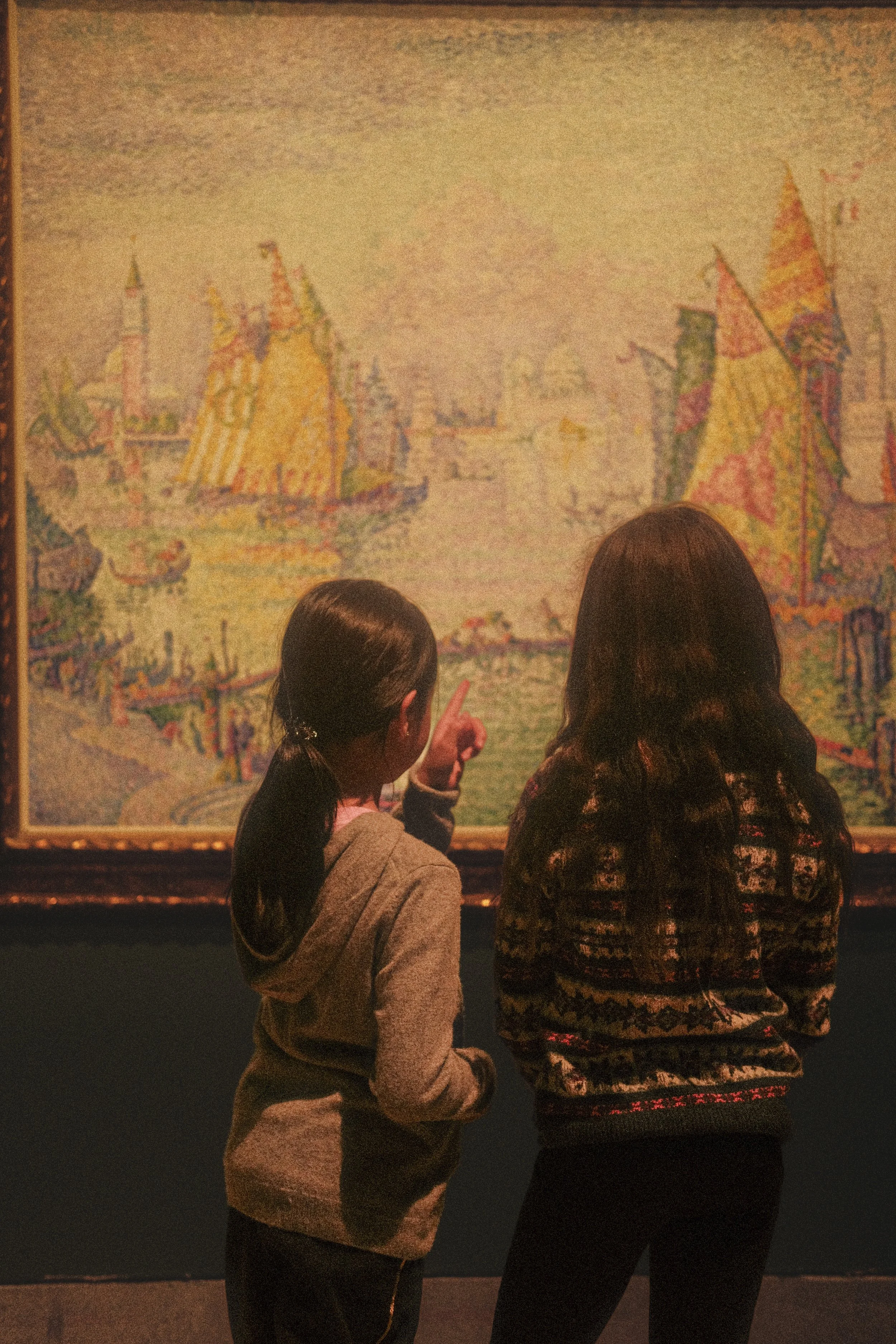
Artful Learning uses direct observation, art history, inquiry-based discussion, and hands-on studio practice to deepen engagement and cultivate creativity. Students learn not only how to make art, but how to look, question, and think through what they see.
Artful Learning is the practice at the heart of every Learning with Lado class. It isn't a curriculum purchased or a method borrowed — it is an approach Ms. Lado has built across nearly a decade of teaching in classrooms throughout New York City, first as a lead teacher in Bronx and Harlem elementary and middle schools, and now in the studios and galleries of the Brooklyn Museum.
Over those years, Ms. Lado has read deeply in education and art theory, and Artful Learning owes a real debt to the educators who shaped her — Paulo Freire, bell hooks, Gloria Ladson-Billings, Gholdy Muhammed, Maxine Greene, June Jordan, Geneva Gay, and many others. From their frameworks she has taken bits and pieces, tested them in her own classrooms, and built a pedagogy that is genuinely her own. Greene's idea of wide-awakeness is one she returns to often: the belief that engaging deeply with art — really looking, really making — wakes us up to the world and builds the capacity to imagine things as they could be, not only as they are.
Refined through years of teaching in classrooms, community centers, and art institutions across the city, Artful Learning transforms how students engage with art — helping them work boldly, express themselves with confidence, and see creative practice as an active, liberating force. It rests on three pillars, each drawn from everything those years of teaching have taught.
Culturally Responsive Teaching
Culturally responsive practice is the cornerstone of Artful Learning. Classes study artists from many traditions and ask whose stories are visible in our museums and galleries — and whose are missing. By engaging with diverse artists, students gain a deeper appreciation for the breadth of global art-making while seeing their own identities, histories, and lived experiences reflected in the work. This pillar uplifts diverse voices to foster empathy, cultural awareness, and belonging.
Critical Inquiry
This pillar empowers students to question, analyze, and think critically about the world. Rather than treating students as empty vessels to fill, Learning with Lado classes are built around inquiry, reflection, and dialogue — the classroom as a space for self-awareness and liberation, not mere knowledge transfer. Through art-making, gallery looking, and conversation, learners are moved to challenge dominant narratives and envision change.
Creative Expression
Creative expression is not just an outlet — it is a vital force for understanding, connection, and change. This pillar empowers students to use art-making to express their identities, navigate challenges, and reimagine the world around them. Drawing, painting, and observation become ways to turn reflection into action — helping students process complex themes, amplify their voices, and engage with history and culture in deeply personal ways.
These three pillars never work in isolation. A single class might hold all three: a culturally responsive choice of subject, an exercise that asks for personal voice, and a closing dialogue that invites students to question what they first saw. It is an approach built slowly and carefully, in the city that taught it.
See Upcoming Classes →